Key Takeaway
The US Senate Banking Committee's advancement of the Clarity Act signals a seismic shift towards regulated digital assets, creating a clear path for institutional adoption and directly benefiting India's tech and financial sectors. This regulatory clarity is a potent catalyst for Indian IT services firms and select banking institutions poised to capitalize on the burgeoning global blockchain ecosystem.
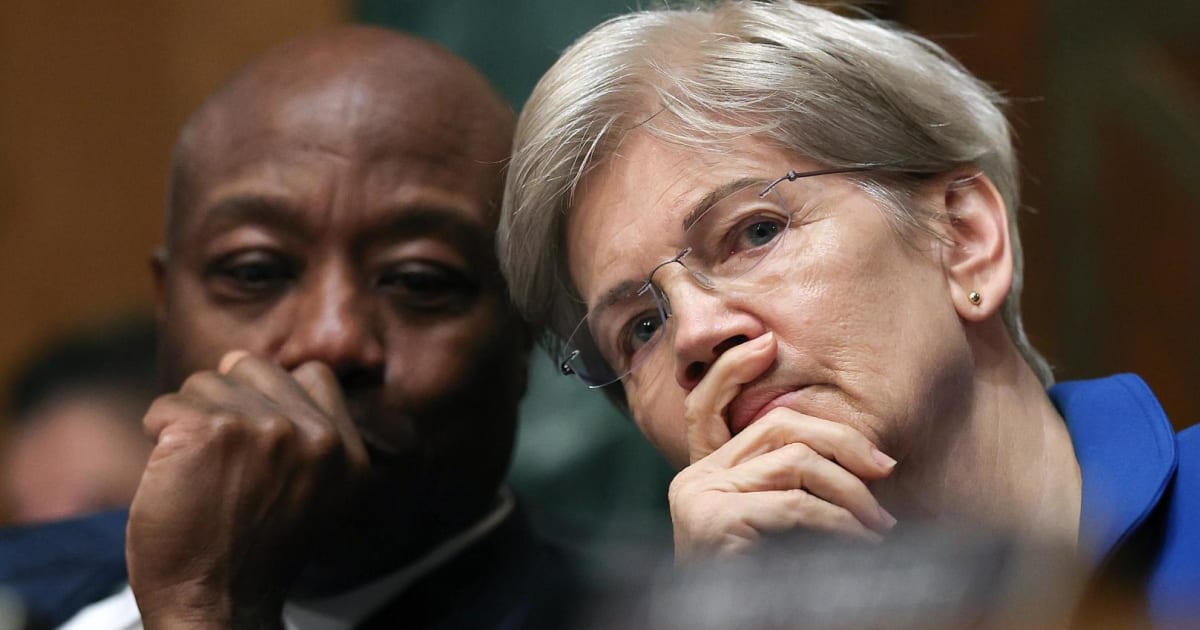
The US Senate's move on the Clarity Act is a watershed moment for cryptocurrency regulation, promising to unlock institutional capital and accelerate global blockchain adoption. This development is particularly bullish for Indian IT service providers like TCS and Infosys, who are well-positioned to offer blockchain solutions, and for HDFC Bank, which can leverage digital assets. Investors should prepare for a significant recalibration of the digital asset landscape.
US Clarity Act Advances: Unlocking Global Crypto Markets and Reshaping Indian Equities
The recent advancement of the Clarity Act by the US Senate Banking Committee marks a pivotal moment in the global regulatory landscape for digital assets. This legislation, designed to provide a comprehensive framework for stablecoins and broader cryptocurrency oversight, moves beyond speculative discussions to establish concrete legal guardrails. For institutional investors worldwide, this represents a significant reduction in regulatory ambiguity, a long-standing impediment to substantial capital deployment in the digital asset space. The implications for India are profound, setting a global precedent that could embolden the Reserve Bank of India (RBI) to adopt a more defined stance on stablecoins and significantly accelerate blockchain technology adoption within India’s robust IT services sector.
This legislative momentum in the United States is not merely an isolated event; it's a powerful signal of evolving global financial architecture. As the world's largest economy grapples with formalizing crypto regulations, other nations, including India, will inevitably feel the pressure and opportunity to align. The Clarity Act aims to address critical areas such as issuer reserve requirements, redemption rights, and market conduct, fostering a more secure and predictable environment. This transition from an often-chaotic, decentralized frontier to a regulated market is crucial for mainstream acceptance and integration into traditional financial systems.
Why This US Regulatory Leap Matters for Indian Markets Now
The timing of the Clarity Act's progression is critical. In an era where digital transformation is paramount, the lack of clear regulatory guidance has stifled innovation and investment in blockchain technology, particularly in emerging markets. For India, a nation with a burgeoning fintech ecosystem and a dominant position in global IT services, this development presents a dual opportunity. Firstly, it de-risks the adoption of blockchain-based solutions by Indian enterprises, encouraging greater investment in decentralized applications and services. Secondly, it positions Indian IT giants, already at the forefront of digital transformation services, to become global leaders in offering specialized blockchain development, integration, and consulting services to international clients seeking to navigate this newly regulated environment.
Historically, regulatory uncertainty has been a double-edged sword for emerging markets. While it can foster a degree of initial innovation in less constrained environments, it ultimately hinders large-scale institutional capital inflow and integration with global financial flows. The Clarity Act's emphasis on stablecoins, which are designed to maintain a stable value relative to a fiat currency, is particularly significant. These instruments are seen as a crucial bridge between traditional finance and the digital asset world, facilitating easier transactions and wider adoption. Their formal recognition and regulation in the US will likely spur similar considerations by central banks globally, including the RBI, which has previously expressed caution but also acknowledged the potential of distributed ledger technology.
Deep Market Impact Analysis: Global Crypto Clarity and Indian Equities
The passage of the Clarity Act in the US, even in its committee stage, injects a palpable bullish sentiment into the global cryptocurrency market. This legislative certainty is expected to unlock significant institutional capital that has been on the sidelines due to regulatory apprehension. We anticipate a surge in demand for regulated stablecoins, which will, in turn, boost trading volumes on compliant exchanges and increase the utility of blockchain networks for financial transactions. The broader implication is a move towards greater maturity and integration of digital assets within the global financial system, mirroring the trajectory seen in other nascent technological revolutions.
For the Indian stock market, the impact is multifaceted, primarily benefiting the IT services sector and select financial institutions. Indian IT companies, with their deep expertise in software development, cloud computing, and digital transformation, are exceptionally well-positioned to capitalize on the global demand for blockchain solutions. As companies worldwide seek to build, integrate, and manage blockchain-based applications and smart contracts, Indian firms will be the go-to partners. This translates into increased revenue streams from consultancy, implementation, and maintenance services in the distributed ledger technology (DLT) space. The market capitalization of these firms, already substantial, could see further upward revisions as they secure new contracts and expand their blockchain-focused service offerings.
Furthermore, the regulatory clarity in the US could influence the RBI's approach to digital currencies and blockchain. While India has been exploring a Central Bank Digital Currency (CBDC), the formalization of stablecoins in a major economy like the US might accelerate the development and adoption of regulated digital rupee instruments or provide a clearer framework for private stablecoin issuers within India, should the regulatory stance evolve. This would create new avenues for financial innovation and potentially reduce reliance on traditional, high-fee remittance services. The ripple effect would extend to banks that can leverage blockchain for enhanced efficiency in cross-border payments, trade finance, and KYC/AML processes.
How Will the Clarity Act Influence India's Blockchain Adoption?
The US regulatory push on stablecoins and crypto assets acts as a powerful validation of the underlying blockchain technology. For India, which has a significant pool of blockchain developers and a growing interest in DLT applications across sectors like supply chain, healthcare, and finance, this external validation is crucial. It signals to Indian businesses and policymakers that the global financial powers are moving towards embracing, rather than outright banning, digital assets and their underlying infrastructure. This could lead to increased domestic investment in blockchain startups and a more receptive environment for pilot projects and broader implementation of DLT solutions within Indian enterprises.
The Indian IT services sector, in particular, has been investing heavily in building capabilities in areas like AI, cloud, and cybersecurity. Blockchain is a natural extension of this digital transformation portfolio. Companies are already seeing demand for blockchain-related services, but the Clarity Act will amplify this demand globally. This could translate into a significant boost in revenue for companies like Tata Consultancy Services (TCS), Infosys, Wipro, and LTIMindtree, as they secure larger, more complex blockchain projects for international clients. The growth in this segment could outpace overall IT services growth, leading to margin expansion and enhanced profitability for the segment.
Stock-by-Stock Breakdown: Indian Companies Poised for Gains
The Clarity Act's advancement creates a clear beneficiary list within the Indian market, primarily targeting companies with established digital transformation capabilities and those poised to integrate or benefit from blockchain technology. The impact is not uniform, but the potential upside is substantial for key players.
- Tata Consultancy Services (TCS) - NSE: TCS: As India's largest IT services exporter with a market capitalization of approximately ₹14.5 lakh crore and a P/E ratio around 28x, TCS is exceptionally well-positioned. Its extensive global client base and robust digital transformation services, including a growing blockchain practice, will see increased demand. TCS has been actively involved in blockchain pilots for various industries, and regulatory clarity in major markets like the US will accelerate client adoption of these solutions. Their ability to offer end-to-end blockchain services, from strategy to implementation and maintenance, makes them a prime candidate to win significant contracts in the decentralized finance (DeFi) and enterprise blockchain space.
- Infosys Ltd. - NSE: INFY: With a market cap of around ₹6.2 lakh crore and a P/E ratio of approximately 25x, Infosys is another heavyweight poised to benefit. The company has been vocal about its investments in blockchain and digital innovation. Regulatory clarity in the US will drive demand for Infosys's expertise in building and managing distributed ledger solutions for financial institutions and enterprises looking to leverage stablecoins for payments and remittances. Their focus on digital products and platforms, including those leveraging blockchain, provides a strong foundation for growth in this evolving sector.
- Wipro Ltd. - NSE: WIPRO: Wipro, with a market cap of roughly ₹2.4 lakh crore and a P/E ratio around 30x, has also been expanding its blockchain capabilities. The Clarity Act provides a more stable environment for Wipro to pitch its blockchain solutions to a wider array of clients, particularly those in the financial services and supply chain sectors seeking to enhance transparency and efficiency. Their recent acquisitions and focus on digital transformation services further bolster their ability to capture market share in this niche.
- LTIMindtree Ltd. - NSE: LTIM: This merged entity, with a market cap of approximately ₹1.6 lakh crore and a P/E ratio around 50x, represents a potent force in digital transformation. LTIMindtree's integrated offerings in cloud, data, and digital technologies, including blockchain, are highly relevant. As regulatory frameworks solidify, demand for their specialized blockchain consulting and implementation services will likely surge, especially from clients looking to integrate digital assets into their existing financial infrastructure.
- HDFC Bank Ltd. - NSE: HDFCBANK: While primarily a traditional bank, HDFC Bank, with a market cap of over ₹11 lakh crore and a P/E ratio around 20x, stands to benefit indirectly. As stablecoins gain regulatory traction, banks will be essential in providing the fiat on-ramps and off-ramps, as well as custody and compliance services for digital assets. HDFC Bank's strong existing infrastructure, robust compliance framework, and focus on digital innovation position it to play a crucial role in facilitating regulated digital asset transactions for its institutional and retail clients. They could also leverage blockchain for internal efficiencies in areas like cross-border payments and trade finance, mirroring trends seen in global banking.
The impact on traditional high-fee remittance providers will be negative, as regulated stablecoins offer a more efficient and cost-effective alternative for cross-border money transfers. Conversely, unregulated offshore exchanges that fail to adapt to these new regulatory standards will face significant challenges, potentially leading to a consolidation in the crypto exchange market favoring compliant, onshore platforms.
Expert Perspective: Bulls vs. Bears on the Clarity Act's Impact
The advancement of the Clarity Act has ignited debate among market participants, with distinct bullish and bearish viewpoints emerging.
Bullish Case: Bulls argue that this is the dawn of a new era for digital assets. Regulatory clarity, particularly in the US, will not only legitimize the crypto market but also pave the way for massive institutional investment. They foresee a significant inflow of capital into regulated stablecoins, which will then trickle down to various blockchain applications and cryptocurrencies. This will spur innovation, create new financial products, and drive demand for blockchain infrastructure and services, directly benefiting companies like TCS and Infosys. The reduction in regulatory risk makes digital assets a more attractive asset class for diversified portfolios.
Bearish Case: Bears, while acknowledging the legislative progress, express caution. They point to the potential for restrictive amendments as the bill moves through the full Senate or potential challenges in implementation. Some argue that the regulations might be too stringent, stifling the decentralized ethos of some crypto projects and limiting innovation in DeFi. There's also the risk that other jurisdictions might not follow suit quickly, creating a fragmented global regulatory landscape. Furthermore, bears highlight that the underlying value proposition of many cryptocurrencies remains speculative, and regulatory clarity does not inherently solve issues of volatility or intrinsic utility for all digital assets.
How Will the RBI's Stance on Stablecoins Evolve Post-Clarity Act?
The US Senate's move is a significant external factor that could prompt a more proactive stance from the Reserve Bank of India (RBI) regarding stablecoins. While the RBI has been cautious, exploring its own CBDC (e-Rupee), the international normalization of regulated stablecoins might encourage the RBI to develop a clearer framework for their use within India. This could involve guidelines for issuance, reserve requirements, and integration with the traditional financial system. Such a development would be a net positive for Indian fintech innovation and could unlock new use cases for blockchain technology in financial services, potentially influencing the digital asset strategy of banks like HDFC Bank.
Actionable Investor Playbook: Navigating the Evolving Crypto-Regulated Landscape
The Clarity Act's progression presents a strategic inflection point for investors. The sentiment is undeniably bullish for the sectors poised to benefit from this regulatory shift.
- What to Buy: Focus on large-cap Indian IT services companies with established digital transformation and blockchain practices. TCS, Infosys, and LTIMindtree are primary candidates due to their scale, expertise, and global reach. Consider HDFC Bank for its potential role as a facilitator of regulated digital asset transactions and its internal blockchain adoption for efficiency gains.
- What to Watch: Closely monitor the progress of the Clarity Act through the full Senate and any potential amendments. Keep an eye on the RBI's public statements and policy developments regarding digital assets and stablecoins. Track the revenue growth and new contract wins related to blockchain services for the IT majors.
- Entry Points: For IT stocks, consider accumulating on any minor dips, as the long-term trend is expected to be upward. The current P/E ratios for TCS and Infosys are reasonable given their growth prospects in the digital space. For HDFC Bank, it represents a more stable, albeit slower-growth, play on the broader digital finance evolution.
- Time Horizons: This is a medium to long-term investment thesis. The full impact of regulatory clarity on institutional capital flow and blockchain adoption will unfold over the next 12-24 months.
- What to Sell/Avoid: Consider reducing exposure to companies heavily reliant on traditional, high-fee cross-border remittance services, as they face direct competition from stablecoin-based solutions. Be wary of highly speculative, unregulated crypto assets or exchanges that may struggle to meet evolving compliance standards.
Risk Matrix: Navigating Potential Headwinds
While the outlook is bullish, several risks could temper the positive impact of the Clarity Act.
- Legislative Gridlock/Restrictive Amendments (Probability: Medium): The bill could face significant hurdles in the full Senate, or restrictive amendments could be introduced that stifle innovation, particularly in DeFi. This could delay or dilute the intended benefits.
- Slow Global Adoption/Fragmented Regulation (Probability: Medium): If other major economies do not swiftly follow the US lead in establishing clear regulations, the global adoption of regulated stablecoins and blockchain applications could be slower and more fragmented, limiting the scale of opportunity.
- Execution Risk for IT Firms (Probability: Low-Medium): While demand for blockchain services will rise, the ability of IT firms to effectively scale their offerings, attract and retain specialized talent, and deliver complex projects on time and within budget will be critical. Any significant execution failures could impact revenue and profitability.
- RBI's Cautious Stance (Probability: Medium): Despite international developments, the RBI might maintain a cautious approach to stablecoins, limiting their direct impact on the Indian financial system and the adoption of blockchain by domestic financial institutions beyond internal efficiency gains.
What to Watch Next: Catalysts and Data Points
The journey of the Clarity Act from committee to potential law is the primary catalyst. Investors should track the following:
- Full Senate Vote on the Clarity Act: The date and outcome of this vote are crucial. Any significant delays or proposed changes will impact market sentiment.
- Statements from US Treasury and Federal Reserve: Their commentary on the Act and its implications for financial stability and monetary policy will be closely scrutinized.
- RBI Policy Announcements: Any forward guidance or policy changes from the RBI regarding digital assets, stablecoins, or DLT would be a significant indicator for Indian market participants.
- Q1 and Q2 2024 Earnings Reports for Indian IT Majors: These reports will provide the first indications of how blockchain-related service demand is translating into actual revenue growth and profitability for companies like TCS, Infosys, and Wipro. Look for specific mentions of blockchain project pipelines and client engagements.
- Global Stablecoin Issuance and Redemption Data: An increase in the supply and usage of regulated stablecoins will be a direct measure of market adoption and the success of the regulatory framework.
The Clarity Act represents more than just a piece of legislation; it signifies a maturing of the digital asset class and a recognition of blockchain technology's transformative potential. For India, this presents a golden opportunity to leverage its strengths in IT services and financial innovation to become a leader in the next wave of global digital finance.
Disclaimer: This content is generated by WelthWest Research Desk based on publicly available reports and is for informational purposes only. It does not constitute financial advice, investment recommendations, or an offer to buy or sell securities. Always consult a qualified financial advisor before making investment decisions.


