Key Takeaway
The cryptocurrency market is experiencing a notable divergence, with XRP showing resilience while Bitcoin and Ethereum falter. This rotation in speculative capital offers a unique opportunity for domestic crypto exchanges and blockchain service providers, while raising questions about regulatory oversight in India.
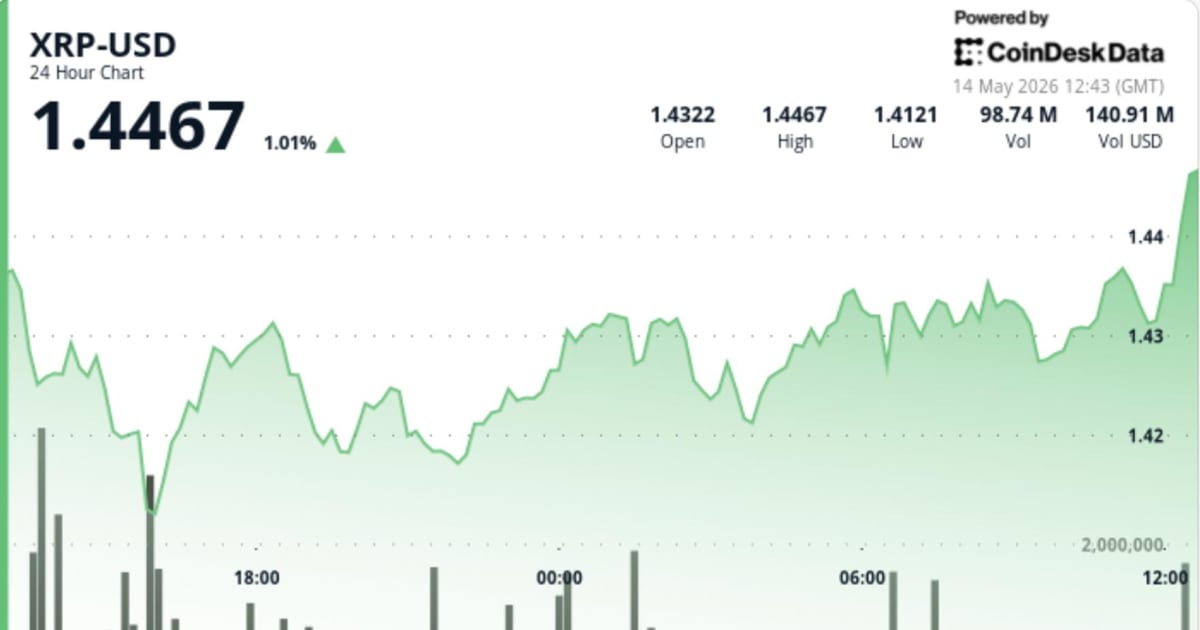
WelthWest Research Desk analyzes the unusual decoupling of XRP from major cryptocurrencies, revealing shifts in investor sentiment and capital flows. This deep dive explores the impact on Indian crypto exchanges, fintech sentiment, and the broader implications for regulatory frameworks, offering actionable insights for investors.
XRP's Solo Flight: A Seismic Shift in Crypto Market Dynamics and its Echoes in India
The global cryptocurrency landscape, often characterized by its synchronized price movements, is currently exhibiting an intriguing anomaly. While the titans of the digital asset world, Bitcoin (BTC) and Ethereum (ETH), have experienced a period of consolidation and decline, a lesser-known contender, XRP, has charted its own course, demonstrating a remarkable degree of decoupling. This divergence is not merely an academic observation for crypto enthusiasts; it signals a fundamental rotation of speculative capital and a potential recalibration of investor sentiment, with significant, albeit nuanced, implications for the Indian financial ecosystem.
Why This Crypto Divergence Matters Now
For months, the broader cryptocurrency market has largely traded in lockstep, with Bitcoin's price action often dictating the sentiment for a vast swathe of altcoins. However, recent market data reveals a distinct departure. While Bitcoin and Ethereum have struggled to maintain upward momentum, facing renewed selling pressure around key technical levels, XRP has managed to edge higher, attracting renewed attention. This deviation from the norm suggests that capital is actively seeking out specific narratives or assets, potentially moving away from the more established, yet currently stagnant, leaders.
The 'why now' is critical. This shift occurs against a backdrop of increasing regulatory clarity in some jurisdictions, while remaining a significant wildcard in others, including India. For Indian investors and exchanges, this decoupling is a bellwether. It highlights the inherent volatility of digital asset interest within the country, directly influencing retail trading volumes on domestic platforms like WazirX, CoinDCX, and ZebPay. Furthermore, such distinct asset performance can amplify scrutiny from regulators like the Reserve Bank of India (RBI) and the Securities and Exchange Board of India (SEBI) concerning capital outflows and the potential for illicit financial activities, even if the direct impact on traditional banking is currently limited.
Deep Market Impact Analysis: India's Digital Asset Ecosystem Under the Microscope
The cryptocurrency market's fragmentation, with XRP carving out its own trajectory, presents a complex picture for India's nascent digital asset industry. On one hand, the resilience of certain altcoins, even amidst broader market weakness, can inject renewed enthusiasm into domestic trading platforms. When specific digital assets show independent strength, it can attract back retail traders who might have been deterred by the synchronized downturns seen previously. This could lead to a temporary surge in trading volumes and commission revenues for Indian crypto exchanges.
However, this scenario also amplifies the inherent risks associated with the sector. The reliance of Indian exchanges on trading volumes means that any shift in global sentiment, or specific asset performance, can have a disproportionate impact. If XRP's upward movement is a short-lived speculative bubble, its subsequent collapse could lead to significant losses for Indian retail investors who chase the trend, potentially triggering a fresh wave of regulatory concern. The absence of directly listed crypto-native companies on the National Stock Exchange (NSE) or Bombay Stock Exchange (BSE) limits the direct impact on Indian equities. Nevertheless, the sentiment surrounding fintech and technology adoption, which often draws parallels to the crypto space, can be indirectly affected.
Historically, periods of high volatility in cryptocurrencies have often been followed by increased regulatory attention in India. Following the global crypto boom and subsequent crash in 2022, India introduced a 30% tax on virtual digital asset (VDA) transfers and a 1% Tax Deducted at Source (TDS) on such transactions. While these measures aimed to curb speculative trading and bring transparency, they also led to a significant reduction in retail participation and trading volumes on domestic exchanges. The current divergence, if it leads to a sustained price rally in specific assets like XRP, could reignite debates about capital control and the potential for money laundering, prompting further policy discussions.
How Will RBI's Stance on Digital Assets Influence Fintech Stocks?
The Reserve Bank of India (RBI) has historically maintained a cautious stance on cryptocurrencies, citing concerns about macroeconomic stability and financial inclusion. While the government has introduced a tax framework, the RBI's underlying reservations remain. Any indication of a more restrictive policy, such as a ban on crypto-related financial services or stricter Know Your Customer (KYC) norms for exchanges, could significantly impact Indian fintech companies that have ventured into or are indirectly associated with the digital asset space. Companies like Paytm (NSE: PAYTM), which offers a broader range of financial services, might see a muted impact, but those with more direct exposure to crypto trading facilitation could face headwinds. Conversely, a more accommodating regulatory environment, perhaps spurred by global developments or technological advancements, could unlock new avenues for growth and investment in the Indian fintech sector.
What is the Impact of Crypto Volatility on Blockchain Technology Service Providers?
While retail investors might be exposed to the volatile price swings of cryptocurrencies, the underlying blockchain technology continues to gain traction across various industries. Companies providing blockchain-as-a-service (BaaS) or developing enterprise-level blockchain solutions might see a more stable, albeit less spectacular, growth trajectory. The current market consolidation and asset divergence, while potentially dampening speculative interest, do not necessarily diminish the long-term demand for secure, transparent, and decentralized ledger technologies. In India, companies exploring supply chain management, identity verification, or decentralized finance (DeFi) applications built on blockchain could continue to attract investment and partnerships, irrespective of the short-term price movements of Bitcoin or XRP. The focus shifts from speculative trading to tangible use cases and technological adoption.
Stock-by-Stock Breakdown: Indirect Ripples in Indian Equities
The direct impact of XRP's performance on Indian listed stocks is minimal due to the absence of publicly traded crypto-native entities. However, the broader sentiment surrounding digital assets and fintech innovation can indirectly influence specific companies and their peers.
- Info Edge (India) Ltd (NSE: INFOEDGE): As a major investor in companies like Zomato and Policybazaar, Info Edge's portfolio performance is often linked to broader consumer internet sentiment. While not directly exposed to crypto, a significant downturn in speculative investment across the board could marginally dampen investor appetite for high-growth, tech-centric companies, though its diversified holdings offer resilience.
- Paytm (NSE: PAYTM): One of India's largest digital payment and financial services platforms, Paytm's sentiment can be indirectly influenced by the regulatory environment surrounding digital assets. If increased crypto volatility leads to tighter regulations on digital transactions or financial intermediaries, it could create a more cautious operating environment for fintech players like Paytm, even if its core business remains unaffected.
- Angel One Ltd (NSE: ANGELONE): This leading discount brokerage firm has seen its valuation surge on the back of increased retail participation in the stock market. While its primary focus is equity trading, a sustained period of crypto market turmoil or regulatory crackdowns on digital assets could potentially divert some retail capital away from traditional markets, impacting brokerage volumes. However, the current divergence might also attract new traders to the broader digital asset space, which could indirectly benefit platforms offering a wide range of investment options.
- Nazara Technologies Ltd (NSE: NAZARA): This gaming and sports media company, with its focus on digital engagement, can be seen as a proxy for broader trends in online consumer behavior and digital asset adoption. While not directly involved in crypto, a general cooling of speculative interest in digital assets might lead to a more conservative approach from investors towards high-growth, digital-first companies.
- Affle (India) Ltd (NSE: AFFLE): A global technology company engaged in marketing technology, Affle's business is tied to digital advertising spend. A significant shift in speculative capital away from high-risk digital assets could lead to a broader recalibration of marketing budgets, potentially impacting companies like Affle, although its diversified client base offers some protection.
Expert Perspective: Bulls vs. Bears on XRP's Divergence
The current market anomaly, with XRP outperforming BTC and ETH, has ignited a debate among market participants. Bulls argue that this decoupling signifies a maturing market where specific narratives and technological advancements are beginning to drive asset performance, rather than just broad market sentiment. They point to ongoing legal developments concerning XRP and its potential for wider adoption in cross-border payments as fundamental drivers of its strength. For them, this is a sign of healthy diversification within the crypto space, indicating that not all digital assets are created equal and that fundamental value is being recognized.
Conversely, bears view XRP's independent rally with skepticism. They contend that it might be a short-term, speculative play driven by a specific subset of traders or a 'short squeeze,' rather than a sustainable trend. Bears caution that without broader market confirmation or fundamental shifts in Bitcoin and Ethereum, XRP's gains could be fleeting, potentially leading to a sharp correction. They highlight the persistent regulatory uncertainties surrounding many cryptocurrencies, including XRP in various jurisdictions, as a significant overhang that could abruptly halt any independent rallies.
Actionable Investor Playbook: Navigating the Divergent Crypto Landscape
For the discerning Indian investor, navigating this complex crypto market requires a strategic approach:
- For the Risk-Averse: Monitor and Minimize Direct Exposure. If your risk tolerance is low, consider maintaining minimal or no direct exposure to highly volatile altcoins like XRP. Focus on established investment avenues within the Indian stock market (e.g., Nifty 50 index funds, blue-chip stocks). If you must participate, allocate only a very small percentage of your portfolio to digital assets.
- For the Speculative Trader: Tactical Allocation and Strict Stop-Losses. For those comfortable with higher risk, consider a tactical allocation to assets showing independent strength, such as XRP. However, this should be done with extreme caution. Set strict stop-loss orders to limit potential downside. Entry points should be carefully considered, perhaps on pullbacks rather than chasing immediate rallies. Time horizons for such trades should be short to medium-term, with a clear exit strategy.
- Focus on Blockchain Technology. Instead of direct crypto trading, consider investing in companies that are building or utilizing blockchain technology for real-world applications. Look for companies with strong fundamentals and clear revenue streams from these innovations. This offers exposure to the underlying technology without the direct price volatility of individual cryptocurrencies.
- Watch Indian Fintech Sentiment. Keep a close eye on the regulatory pronouncements and financial performance of Indian fintech companies. Positive developments in digital asset regulation or strong earnings from payment and lending platforms could signal a broader positive sentiment towards digital finance.
- Dollar-Cost Averaging (DCA) in Established Assets. If you are a long-term believer in the digital asset space, consider dollar-cost averaging into Bitcoin and Ethereum during periods of consolidation or minor dips. This strategy helps mitigate the risk of buying at market tops.
Risk Matrix: Key Threats to the Digital Asset Ecosystem in India
The digital asset market, particularly in the context of India, is fraught with risks that investors must acknowledge:
- Regulatory Uncertainty (Probability: High): The primary risk remains the potential for sudden and significant policy shifts from Indian regulators. Any adverse regulatory action, such as further taxation, restrictions on trading platforms, or outright bans on certain types of digital assets, could trigger liquidity crunches and rapid price declines for assets held by Indian investors and on domestic exchanges.
- Global Market Contagion (Probability: Medium): Despite XRP's current decoupling, the interconnected nature of global financial markets means a severe downturn in major economies or a widespread risk-off sentiment could still drag down even seemingly resilient digital assets. A significant global economic shock could impact investor appetite for all speculative assets.
- Technological Vulnerabilities and Security Breaches (Probability: Medium): While blockchain technology is designed to be secure, exchanges and individual wallets are susceptible to hacks and exploits. A major security breach on a prominent Indian crypto exchange could lead to substantial losses for users and erode confidence in the entire domestic digital asset infrastructure.
- Lack of Fundamental Adoption (Probability: Medium): While blockchain technology has use cases, the widespread adoption of cryptocurrencies for everyday transactions or as a store of value is still nascent. If adoption plateaus or fails to meet expectations, the speculative value of many digital assets could significantly diminish.
What to Watch Next: Catalysts for the Crypto and Indian Fintech Markets
Several upcoming events and data releases will be crucial in shaping the narrative for both the global crypto market and its implications for India:
- US Inflation Data (CPI and PPI): Upcoming consumer and producer price index reports from the United States will heavily influence the Federal Reserve's monetary policy decisions. Less inflation could lead to a more dovish stance, potentially boosting risk assets like cryptocurrencies.
- RBI Monetary Policy Committee (MPC) Meetings: Any commentary or policy adjustments from the RBI regarding digital assets or financial technology innovation will be closely scrutinized by Indian fintech companies and investors.
- XRP Legal Developments: Continued updates on legal proceedings involving Ripple and the SEC will be critical for XRP's independent trajectory. Positive resolutions could fuel further gains, while adverse rulings could trigger significant sell-offs.
- Global Regulatory Summits and Announcements: Watch for any coordinated efforts or significant policy pronouncements from major global financial regulators concerning digital assets. These could set the tone for regulatory approaches in countries like India.
- Quarterly Earnings Reports of Indian Fintech Companies: The financial results of companies like Paytm, Angel One, and Affle will provide insights into consumer spending, trading volumes, and the overall health of the digital economy in India, indirectly reflecting sentiment towards digital assets.
The current divergence in the crypto market, with XRP leading a solo charge, is a compelling indicator of evolving investor behavior and capital allocation. While its direct impact on the Indian stock market is limited, the ripple effects on fintech sentiment, regulatory discourse, and domestic trading platforms are undeniable. Investors must remain vigilant, grounded in data, and prepared for the inherent volatility of this dynamic sector.
Disclaimer: This content is generated by WelthWest Research Desk based on publicly available reports and is for informational purposes only. It does not constitute financial advice, investment recommendations, or an offer to buy or sell securities. Always consult a qualified financial advisor before making investment decisions.


